

Each new local business creates an average of 4.6 new indirect jobs through supply chains, services, and community impact. Newkirknomics is an unapologetic vision for a new kind of economy — one that grows from the block up.
According to research published by the Harvard Business Review, communities with dense networks of locally owned businesses tend to experience stronger income growth and demonstrate greater resilience in the face of economic downturns. These local ecosystems not only generate jobs but also create more stable, self-sustaining economies by circulating wealth within the community and fostering long-term economic security.
Newkirknomics is a visionary framework designed to serve as a flexible, scalable guide for reviving neighborhood economies and reimagining the way we live locally. Set to be published this fall, the book offers more than just a blueprint — it is a belief system and a bold call to action. At its core, Newkirknomics challenges conventional economic development by advocating for a shift toward a stakeholder economy — one where workers, communities, entrepreneurs, and consumers all have a meaningful stake in shared prosperity and decision-making. It invites us to rethink how we build inclusive, resilient economies from the ground up.
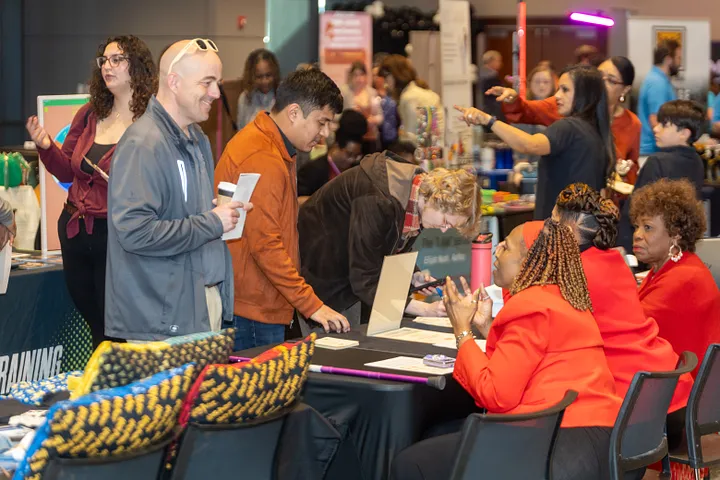
Newkirknomics offers a new lens on how cities and communities can fuel inclusive innovation, create generational wealth, and reclaim local power from the ground up.
For me, Newkirknomics is deeply personal.
It was born from the conviction that the answers to our most persistent economic challenges don’t come from distant boardrooms or top-down policies — they live right here, in the heart of our neighborhoods.
Growing up as a country boy in Pender County during the mid-eighties, I witnessed firsthand how opportunity was stripped from our communities. I watched as local businesses disappeared, productive capacity was offshored, and Main Street was slowly replaced by multinational retailers. What was lost wasn’t just jobs — it was pride, ownership, connection, and the belief that we could build something lasting together.
Newkirknomics is my response to that loss — a blueprint and a belief that we can reimagine local living by putting power back where it belongs: in the hands of the people. It’s about reclaiming agency, creating inclusive economies, and sparking a new era of neighborhood-led development. This is more than a book. It’s a movement — and I’m honored to share it with you.
As cities expand and global markets shift, many communities are left trying to catch up. Yet within these very places — overlooked blocks, corner stores, and grassroots ventures — lie untapped potential, raw talent, and the seeds of local prosperity. Newkirknomics is my attempt to reimagine the way we think about economic development: more human, more inclusive, and far more powerful when led by those closest to the ground.
This book is for the dreamers who build businesses out of necessity, for the everyday leaders shaping culture one customer at a time, and for anyone who believes in the power of local living to spark generational change.
What you’ll find here is a fusion of lived experience, entrepreneurial insight, community innovation, and an unapologetic vision for a new kind of economy — one that grows from the block up.
Let’s bridge the gap between what is and what could be.
Let’s revive the economy, one neighborhood at a time.
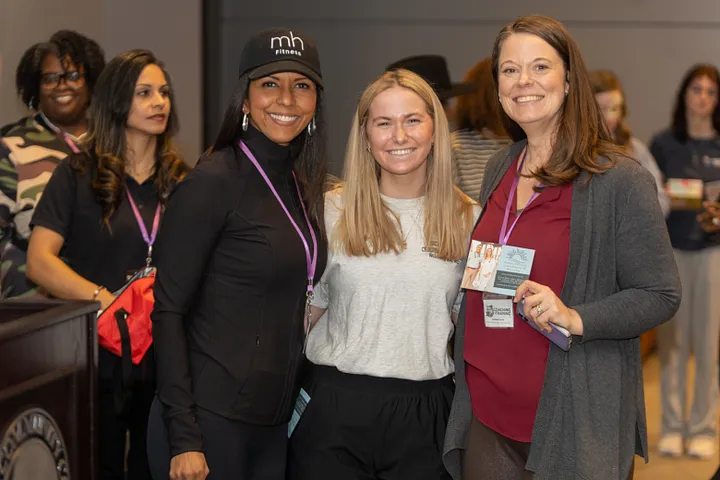
Newkirknomics introduces a bold, community-first framework for economic revitalization — where neighborhood entrepreneurs are the catalysts, not the bystanders, of growth.
Introducing the 5 Pillars of Newkirknomics
This is just the beginning.
We’re excited to share a preview of the five core pillars that form the foundation of Newkirknomics — a bold framework for reviving neighborhood economies and reimagining local living from the ground up.
Stay tuned for the full deep dive in the Newkirknomics book, publishing this October, and join the conversation this summer with the launch of the Newkirknomics Podcast, where we explore real stories, strategies, and systems driving inclusive economic power.
The movement is growing. The blueprint is coming. Let’s build together.
Pillar #1 Local Entrepreneurship is Big Business
Entrepreneurship isn’t just a path to income — it’s the engine of local resilience. This pillar focuses on growing neighborhood-based ventures that reflect the character and needs of the community.
- Entrepreneur Pathways: Support every stage of growth — from side hustle to scale-up.
- Hyperlocal Incubators: Invest in block-level incubators, maker spaces, and pop-ups.
- Collaborative Tools: Platforms like Genesis Bridge connect entrepreneurs to capital, mentorship, and growth tools.
- New Economic Indicators: Track progress with metrics that measure local business self-sufficiency and sustainability.
Pillar #2 Hyperlocal Economic Strategy
The economy starts on the block (hence our company Genesis Block as the foundation). This pillar targets city-building at the most granular level — empowering neighborhoods to activate their own assets and shape their own futures.
- Neighborhood-Driven Development: Growth is led by local residents and business owners.
- PowerBlocks: Create “City Center” micro-economies that serve as hubs of identity, culture, and commerce.
- Community Asset Activation: Revive underutilized buildings, lots, and skills for productive use.
- Support Local Ownership: Prioritize ownership of homes, storefronts, and production by the people who live there.
Pillar #3 The Ownership Economy
Real power comes from ownership. This pillar reimagines economic participation to keep wealth circulating in the community — not extracted from it.
- People-Powered Capital: Encourage cooperative models, employee ownership, and micro-equity.
- Community Investment Vehicles: Create local investment tools like neighborhood funds, CDFIs, or blockchain-powered pilots.
- Asset Transfer Strategies: Help families and communities pass down wealth through real estate, business equity, and IP.
- Economy in Residence: Track economic leakage and implement strategies to keep dollars local.
Pillar #4 Digital Access is Fundamental
In a digital world, economic justice begins with digital equity. This pillar ensures that communities have the tools, platforms, and training to build in the 21st century.
- Universal Digital Access: High-speed internet is as vital as electricity.
- Collaborative Platforms: Tools like Genesis Bridge help communities connect, coordinate, and scale impact.
- Tech Empowerment: Use AI, blockchain, and open data to increase transparency and efficiency.
- Creators > Consumers: Equip people to become developers, designers, and digital producers.
Pillar #5 The Culture to Capital Pipeline
Culture is capital — and it’s time our economic systems recognize it. This pillar uplifts stories, legacy, and creative expression as powerful drivers of economic development.
- Invest in the Local Creative Economy: Fund storytelling, public art, music, and place-based branding.
- Humanity-First Logic: View confidence, identity, and belonging as essential economic capital.
- Retain Local Legacy: Honor and invest in cultural institutions, creatives, and legacy businesses.
- The Economic Ballot Box: Every dollar spent is a vote for the kind of neighborhood we want.
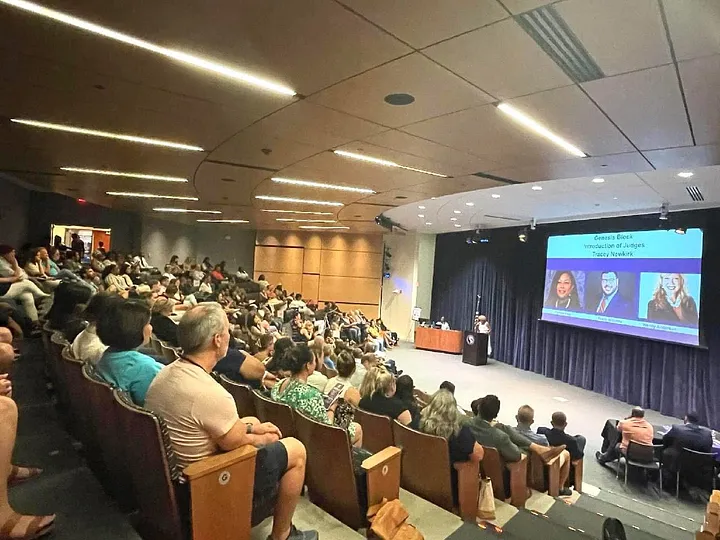
Across the country, entrepreneurs are launching ventures in living rooms, corner stores, and co-ops — but often without the skills training, networks, capital, or visibility they need to grow.
Newkirknomics introduces a bold, community-first framework for economic revitalization — where neighborhood entrepreneurs are the catalysts, not the bystanders, of growth. This book offers a new lens on how cities and communities can fuel inclusive innovation, create generational wealth, and reclaim local power from the ground up.
These five pillars form the heart of Newkirknomics — a call to build neighborhood economies that are inclusive, resilient, and deeply rooted in community power.
The book drops October 2025. The podcast launches this summer. The movement is already in motion.
Stay tuned. Stay ready. Let’s revive the neighborhood economy — from the block up. Would you like to learn more email girard@genesisblockilm.com and make sure to build your digital profile at https://genesisbridgeilm.com/.

